

Yuexiu District 510080 Guangzhou,China
October 2024

Prof. Yin presented their work at 16th Annual Meeting of Chinese Society for Immunology in Hangzhou.
February 2026

Research Article from Prof. Yin’s Group Published in Genome Medicine
The research article from Prof. Yin’s group, published in Genome Medicine, identifies γδ T cells as a previously underappreciated T cell population in atherosclerosis. In collaboration with the research groups of Prof. Andreas Habenicht and Prof. Sarajo K. Mohanta, this study reveals that murine atherosclerosis is characterized by the enrichment, education, and clonal expansion of proinflammatory γδ T17 (eduT17) cells within plaques and ATLOs. In contrast, human atherosclerotic plaques harbor γδ T cells with cytolytic features, suggesting divergent roles of γδ T cells between species. These findings highlight the importance of the local immune microenvironment in shaping γδ T cell function and underscore the need for caution when extrapolating mechanistic insights from mouse models to human atherosclerosis. Read Article>>
January 2026

Invited review on artery-brain interfaces in atherosclerosis for Current Atherosclerosis Reports
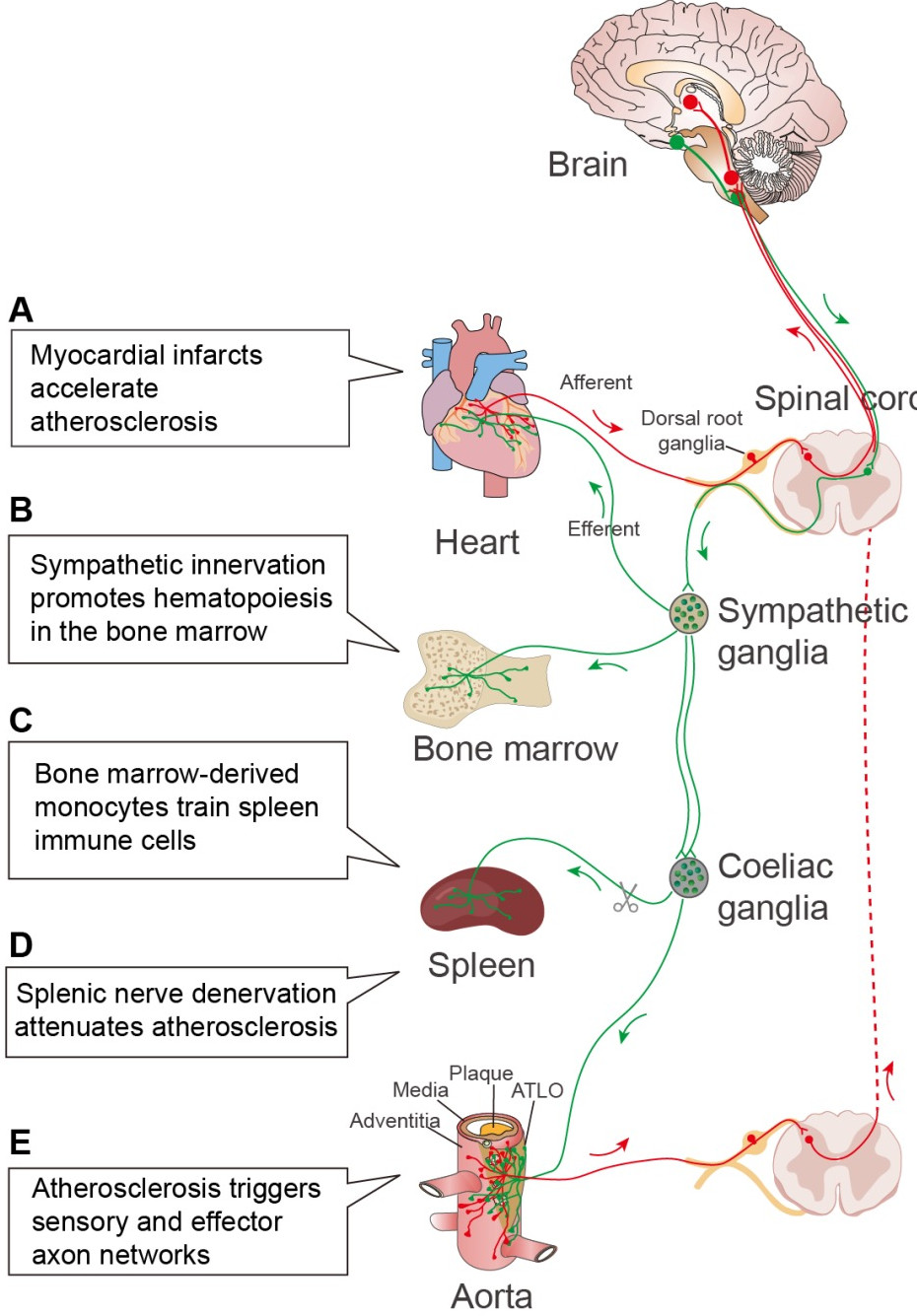
In collaboration with the AG Mohanta/Habenicht groups at Ludwig Maximilian University of Munich, we were invited to summarize recent advances in artery-brain circuits (ABCs) in atherosclerosis. ABCs establish bidirectional neuroimmune cardiovascular communication pathways linking the cardiovascular, nervous, and immune systems to drive disease progression through both local and systemic mechanisms. In particular, ABCs utilize the arterial adventitia, especially artery tertiary lymphoid organs (ATLOs), as powerful biological platforms to establish local neuroimmune cardiovascular interfaces (NICIs), thereby influencing atherosclerosis progression. In parallel, ABCs also exert distant effects on lymphoid organs, including the bone marrow and spleen, promoting hematopoiesis and splenic myelopoiesis and modulating immune cell recruitment into ATLOs and atherosclerotic plaques. Emerging evidence further suggests that vascular inflammation dynamically reshapes adventitial innervation, highlighting reciprocal interactions between neural, immune, and vascular networks during atherosclerosis progression.
September 2026

Professor Changjun Yin/Andreas Habenicht team's collaboration work published in Nature Cardiovascular Research
Research by an international consortium led by Professor Andreas Habenicht at LMU University Hospital and Professor Changjun Yin at Sun-Yat-Sen University in Guangzhou, China - now reports in Nature Cardiovascular Research that, according to its findings, atherosclerosis satisfies crucial defining criteria of an autoimmune disease.
Red: autoantibody; Green: smooth muscle cells
August 2026
Professor Ming Kuang/Shuling Chen/Changjun Yin team's collaboration work published in Cancer Cell

July 2026

Professor Ming Kuang/Shuling Chen/Changjun Yin team's collaboration work published in Cancer Cell
In collaboration with the research groups of Prof. Ming Kuang and Prof. Shuling Chen, this mechnistic study focused on hepatocellular carcinoma patients who recieved perioperative anti-PD-1 therapy. Our data identified two distinct subtypes of late-recurrence patients characterized by either T cell or B cell dominant responses within tumors. Through single-cell spatial transcriptomics and antibody cloning experiments, we show that anti-PD-1 induces local HBV-targeted antibody responses and complement-mediated anti-tumor activity.
July 2026

Please join me in congratulating Dr. Yixin Zhang on achieving her PhD.
June 2026

Warmest congratulations to Dr. Yi Ran on the successful defense of her PhD thesis.
June 2026

Prof. Yin was invited to presented "王志均院士纪念讲座" lecture serials at Department of Physiology and Pathophysiology of Peking University.
May 2026

Congratulations! Dr. Ting Sun received Guangdong Province Basic and Applied Basic Research Fundation (Guangdong-Guangzhou Joint Funds)
January 2026

Invited review on neuroimmune cardiovascular interfaces for Immunological Reviews
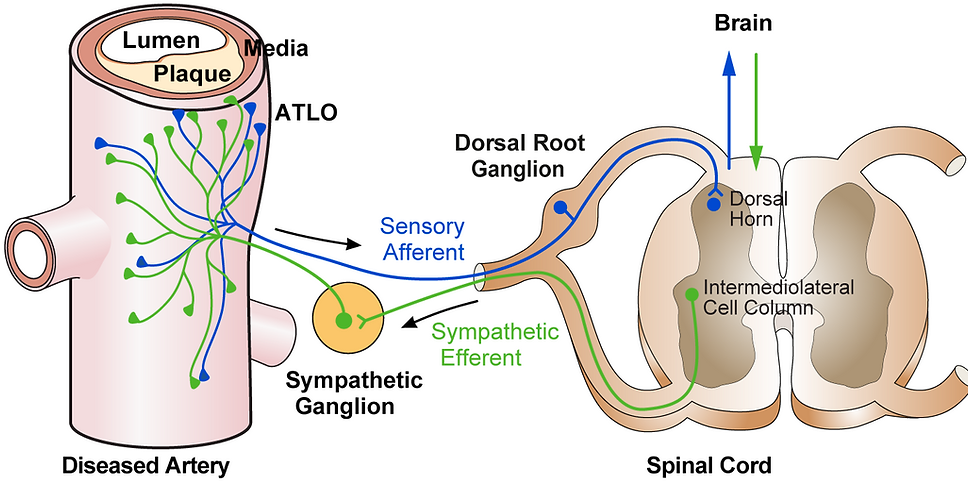
In collaboration with AG Mohanta/Habenicht groups from LMU, Munich, we were invited to summarize the recent research progress on artery tertiary lymphoid organs (ATLOs). We proposed that ATLOs may serve as key hubs to facilitate three tissues interaction, the nervous system, the immune system, and the cardiovascular system. Read Article>>
August 2025

Congrats to Dr. Bei Jin on receiving Grant from National Natural Science Foundation of China.
June 2025

Congratulations! Dr. Zhihua Wang received Special Funding from the China Postdoctoral Science Foundation.
April 2025

Dr. Chuangkai Zhang's research results published in Cancer Genetics
Dr. Chuangkai Zhang from our lab led the team published their work in Cancer Genetics. The article, titled "Regulator of G-protein signaling 14 (RGS14) Promotes Cancer Growth in Hepatocellular Carcinoma," presents new findings that contribute to the understanding of the molecular mechanisms underlying hepatocellular carcinoma (HCC). PhD students Yi Ran and Liping Li, and Dr. Zhihua Wang and Ting Sun shared the first authors.
April 2025

Prof. Yin become Adjunct Professor at Institute of Advanced Studies Hong Kong, Sun Yat-sen University
Hong Kong, China
April 2025
Dr. Chuangkai Zhang's research results published in Cancer Genetics
Dr. Chuangkai Zhang from our lab led the team published their work in Cancer Genetics. The article, titled "Regulator of G-protein signaling 14 (RGS14) Promotes Cancer Growth in Hepatocellular Carcinoma," presents new findings that contribute to the understanding of the molecular mechanisms underlying hepatocellular carcinoma (HCC). PhD students Yi Ran and Liping Li, and Dr. Zhihua Wang and Ting Sun shared the first authors.
November 2024

Congrats to Dr. Bei Jin on getting Grant from Chinese Postdoctoral Science Foundation.
September 2024

Warmly welcome Dr. Ting Sun and Jingpu Zhu to join us.

August 2024

Professor Ming Kuang /Changjun Yin team's research results published in Cancer Cell
Prof. Ming Kuang 's team, Vice-President of Zhongshan First Hospital and leader of Hepatobiliary and Pancreatic Surgery Center, in collaboration with Prof. Changjun Yin of the Institute of Precision Medicine, has made an important progress in the field of immune microenvironment of colorectal cancer liver metastasis, and published their research results titled CCL19-producing fibroblasts promote tertiary lymphoid structure formation enhancing anti-tumor IgG response in colorectal cancer liver metastasis. Read Article>>
August 2024

Congrats to Dr. Zhihua Wang on receiving Grant from National Natural Science Foundation of China.
July 2024

Summer Vibes and Lab Life,In Guilin


June 2024

Congratulations! Dr. Zhihua Wang received Grant from Chinese Postdoctoral Science Foundation.
June 2024

Dr. Zhihua Wang presented our group's work at the Nature Conferences on Spatiotemporal Regulation of Metabolism in Wuhan.
June 2024

Prof. Andreas Habenicht was invited to visit our lab and gave a talk in Institute of Precision Medicine
We had the honor of hosting Prof. Andreas Habenicht from the Institute for Cardiovascular Prevention (IPEK) at Ludwig-Maximilians University for a wonderful talk on “Neuroimmune Cardiovascular Circuits” at the Institute for Precision Medicine. Read More>>
September 2026
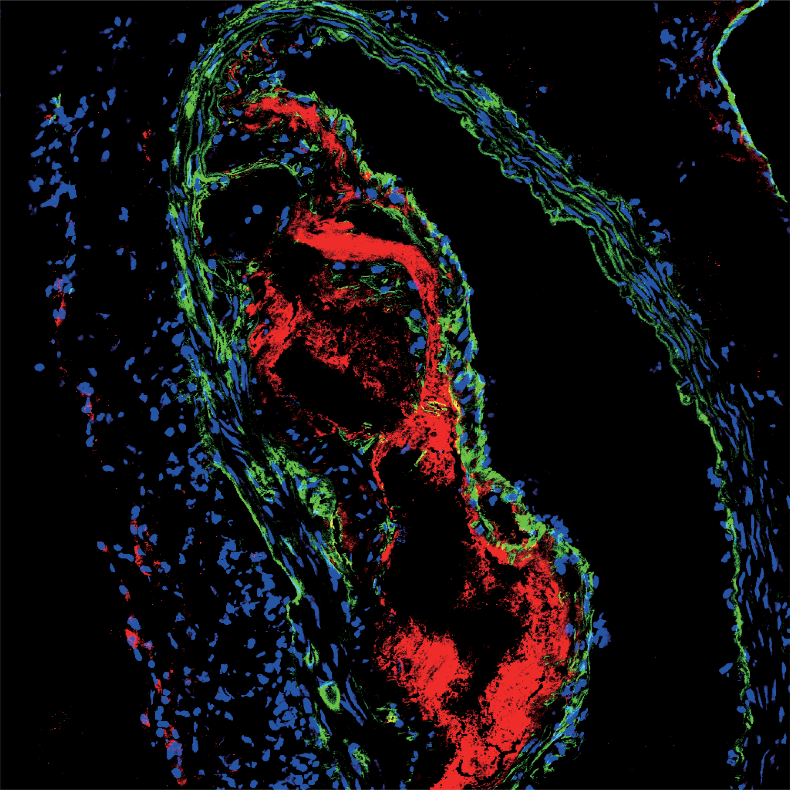
Red: autoantibody; Green: smooth muscle cells
Professor Changjun Yin/Andreas Habenicht team's collaboration work published in Nature Cardiovascular Research
Research by an international consortium led by Professor Andreas Habenicht at LMU University Hospital and Professor Changjun Yin at Sun-Yat-Sen University in Guangzhou, China - now reports in Nature Cardiovascular Research that, according to its findings, atherosclerosis satisfies crucial defining criteria of an autoimmune disease.
August 2026

Professor Changjun Yin presented their work at European Society of Cardiology (ESC) Congress 2026 in Munich
July 2026
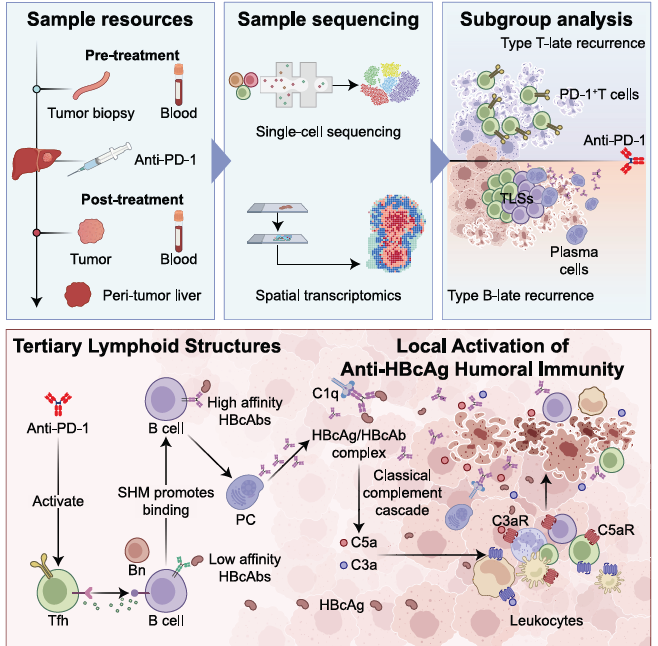
Professor Ming Kuang/Shuling Chen/Changjun Yin team's collaboration work published in Cancer Cell
In collaboration with the research groups of Prof. Ming Kuang and Prof. Shuling Chen, this mechnistic study focused on hepatocellular carcinoma patients who recieved perioperative anti-PD-1 therapy. Our data identified two distinct subtypes of late-recurrence patients characterized by either T cell or B cell dominant responses within tumors. Through single-cell spatial transcriptomics and antibody cloning experiments, we show that anti-PD-1 induces local HBV-targeted antibody responses and complement-mediated anti-tumor activity.
July 2026
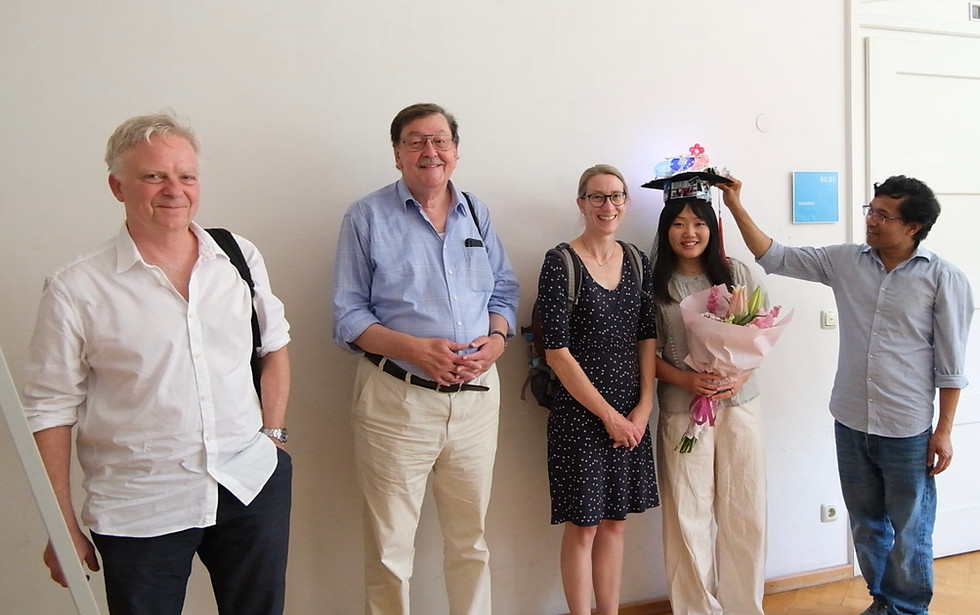
Please join me in congratulating Dr. Yixin Zhang on achieving
her PhD.
June 2026

Warmest congratulations to Dr. Yi Ran on the successful
defense of her PhD thesis.
June 2026
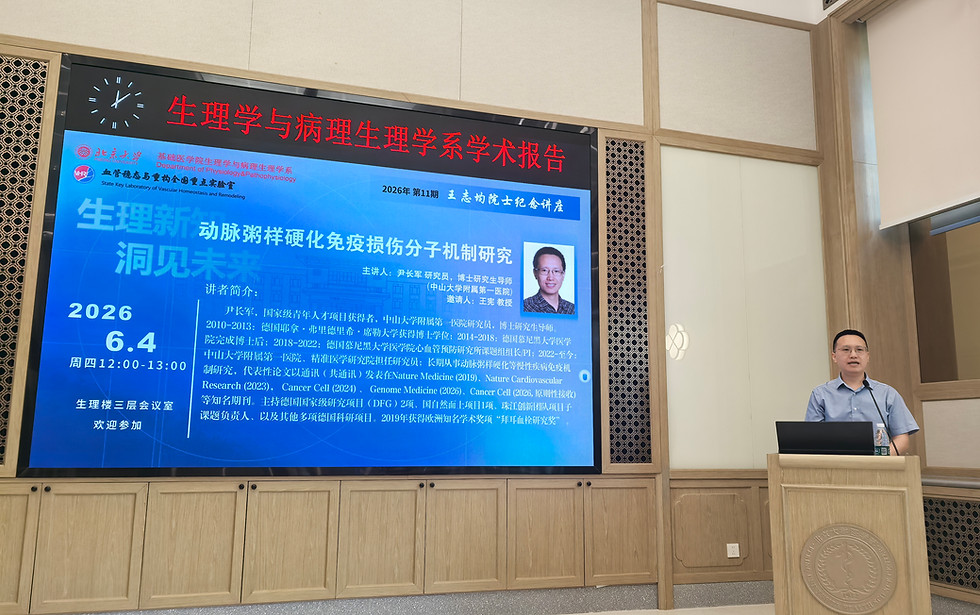
Prof. Yin was invited to presented "王志均院士纪念讲座"
lecture serials at Department of Physiology and
Pathophysiology of Peking University.
May 2026

Congratulations! Dr. Ting Sun received Guangdong
Province Basic and Applied Basic Research Fundation (Guangdong-Guangzhou Joint Funds)
February 2026
Research Article from Prof. Yin’s Group Published in Genome Medicine

The research article from Prof. Yin’s group, published in Genome Medicine, identifies γδ T cells as a previously underappreciated T cell population in atherosclerosis. In collaboration with the research groups of Prof. Andreas Habenicht and Prof. Sarajo K. Mohanta, this study reveals that murine atherosclerosis is characterized by the enrichment, education, and clonal expansion of proinflammatory γδ T17 (eduT17) cells within plaques and ATLOs. In contrast, human atherosclerotic plaques harbor γδ T cells with cytolytic features, suggesting divergent roles of γδ T cells between species. These findings highlight the importance of the local immune microenvironment in shaping γδ T cell function and underscore the need for caution when extrapolating mechanistic insights from mouse models to human atherosclerosis. Read Article>>
January 2026
Invited review on artery-brain interfaces in atherosclerosis for Current Atherosclerosis Reports
In collaboration with the AG Mohanta/Habenicht groups at Ludwig Maximilian University of Munich, we were invited to summarize recent advances in artery-brain circuits (ABCs) in atherosclerosis. ABCs establish bidirectional neuroimmune cardiovascular communication pathways linking the cardiovascular, nervous, and immune systems to drive disease progression through both local and systemic mechanisms. In particular, ABCs utilize the arterial adventitia, especially artery tertiary lymphoid organs (ATLOs), as powerful biological platforms to establish local neuroimmune cardiovascular interfaces (NICIs), thereby influencing atherosclerosis progression. In parallel, ABCs also exert distant effects on lymphoid organs, including the bone marrow and spleen, promoting hematopoiesis and splenic myelopoiesis and modulating immune cell recruitment into ATLOs and atherosclerotic plaques. Emerging evidence further suggests that vascular inflammation dynamically reshapes adventitial innervation, highlighting reciprocal interactions between neural, immune, and vascular networks during atherosclerosis progression. Read Article>>
January 2026
Invited review on neuroimmune cardiovascular interfaces for Immunological Reviews
In collaboration with AG Mohanta/Habenicht groups from LMU, Munich, we were invited to summarize the recent research progress on artery tertiary lymphoid organs (ATLOs). We proposed that ATLOs may serve as key hubs to facilitate three tissues interaction, the nervous system, the immune system, and the cardiovascular system. Read Article>>
August 2025

Congrats to Dr. Bei Jin on receiving Grant from National Natural Science Foundation of China.
June 2025

Congratulations! Dr. Zhihua Wang received Special Funding from the China Postdoctoral Science Foundation.
April 2025

Dr. Chuangkai Zhang's research results published in Cancer Genetics
Dr. Chuangkai Zhang from our lab led the team published their work in Cancer Genetics. The article, titled "Regulator of G-protein signaling 14 (RGS14) Promotes Cancer Growth in Hepatocellular Carcinoma," presents new findings that contribute to the understanding of the molecular mechanisms underlying hepatocellular carcinoma (HCC). PhD students Yi Ran and Liping Li, and Dr. Zhihua Wang and Dr.Ting Sun shared the first authors. Read Article>>
April 2025

Prof. Yin become Adjunct Professor at Institute of Advanced Studies Hong Kong, Sun Yat-sen University Hong Kong, China
October 2024

Prof. Yin presented their work at 16th Annual Meeting of Chinese Society for Immunology in Hangzhou.
September 2024


Warmly welcome Dr. Ting Sun and Jingpu Zhu to join us.
August 2024

Professor Ming Kuang /Changjun Yin team's research results published in Cancer Cell
Prof. Ming Kuang 's team, Vice-President of Zhongshan First Hospital and leader of Hepatobiliary and Pancreatic Surgery Center, in collaboration with Prof. Changjun Yin of the Institute of Precision Medicine, has made an important progress in the field of immune microenvironment of colorectal cancer liver metastasis, and published their research results titled CCL19-producing fibroblasts promote tertiary lymphoid structure formation enhancing anti-tumor IgG response in colorectal cancer liver metastasis. Read Article>>
August 2024

Congrats to Dr. Zhihua Wang on receiving Grant from National Natural Science Foundation of China.
July 2024


Summer Vibes and Lab Life,In Guilin
June 2024

Congratulations! Dr. Zhihua Wang received Grant from Chinese Postdoctoral Science Foundation.
June 2024

Dr. Zhihua Wang presented our group's work at the Nature Conferences on Spatiotemporal Regulation of Metabolism in Wuhan.
June 2024

Prof. Andreas Habenicht was invited to visit our lab and gave a talk in Institute of Precision Medicine
We had the honor of hosting Prof. Andreas Habenicht from the Institute for Cardiovascular Prevention (IPEK) at Ludwig-Maximilians University for a wonderful talk on “Neuroimmune Cardiovascular Circuits” at the Institute for Precision Medicine.